answering your wine questions
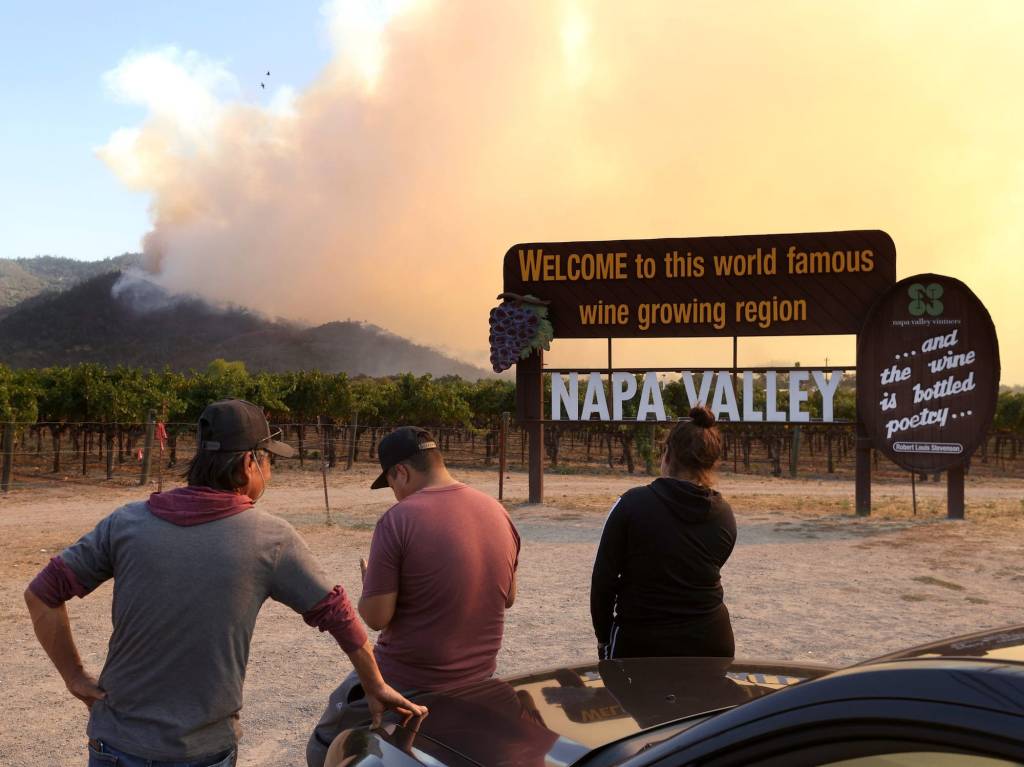
Over the last few months, I have gotten multiple questions about the fires in Napa last Fall. “Are the wineries OK?”, “What does smoke do?”, “Can we drink the 2020 vintage?” and so on…. Initially I wanted to write this blog entry around Thanksgiving but something kept telling me to wait. I’m glad I did and here is why: my answer to the question then is different than my answer today.

There are different ways fire can affect a winery and its production. The first is if the actual winery burns. If your building burns down then you are done for. This past fall 30 wineries burned down. (if you remember, there were also fires in 2017, but only a few wineries were totally destroyed). Starting production again is hard. Do you wait to rebuild? Do you borrow/lease space elsewhere? How does that change your operations? What is the insurance reimbursement time frame?
Another major way is if your vineyards burn. If you don’t have any grapes then you can’t make any wine. Or at least, you can’t make the same wine you have been making. There are ways to get access to other grapes, but your wine won’t be the same.

The third is smoke on the grapes. Think about the last time you spent time around a fire. (fire pit, bonfire, etc…) Even a few minutes by the fire can make your clothes smell like smoke. At least you and I can wash our clothes. You can’t wash the smoke off of grapes. Knowing how much smoke got onto the grapes and how that changes the final wine is very hard to predict. You can run tests, but those take a while. And in a scenario like last fall, everyone in the valley is trying to do the same tests at the same time from only two laboratories.
My original response to the myriad of fire questions was something like this: “If the winery or vineyards burned then it’s bad, but otherwise it should be mostly fine. A good winery will make a quality wine because they have a reputation to protect.” That sounded like a good answer and it served me well for a while. However, a few things made me change my position. 1) There were a lot of fires that covered a lot of area and I saw a map of them (see map below), 2) Vineyards that I have walked in burned, and 3) I did a smoke taste test.

Recently I got together with some of my wine-industry peers and we tasted several 2017 Napa cabernets from wineries that said their wines were smoke-free. In some you could actually taste the smoke. In others the flavors were muted. And in a few more, the wines just tasted ‘off’ and didn’t taste like they usually do or should. This is bad because a lot of people drank these wines thinking this is how that wine should taste.
So here is my new answer: “We don’t really know what the smoke will do until it is too late.” That’s why we are seeing significantly more wineries come out in advance and say they will not make a wine from the 2020 vintage. This is huge decision to make, but it is the right one. There are major ramifications to that decision. The obvious one is financial. Also, they have to figure out how to bridge the gap so we don’t run out of stock at the winery and at your favorite restaurant or store.
This isn’t to say that there won’t be great wines coming out of the valley from the 2020 vintage. There absolutely will! Napa Valley covers almost 800 square miles and only a relatively small portion was affected by the fire/smoke. There are also many different grapes being grown that ripen at different times. Merlot, Chardonnay, and Sauvignon Blanc are all ready to pick before Cabernet and were harvested before the fires. Plus, many wineries have multiple vineyards around the valley. Ripening times and different vineyards allow the artisan winemakers to modify the blends each year to come up with the best wine possible.
What to do if you have no idea what wine to order at a restaurant.

The first rule is to stay calm! Your server can smell fear and will try to up-sell you. Reading wine lists can be stressful, and some are intentionally created to overwhelm you. You are going to be OK!
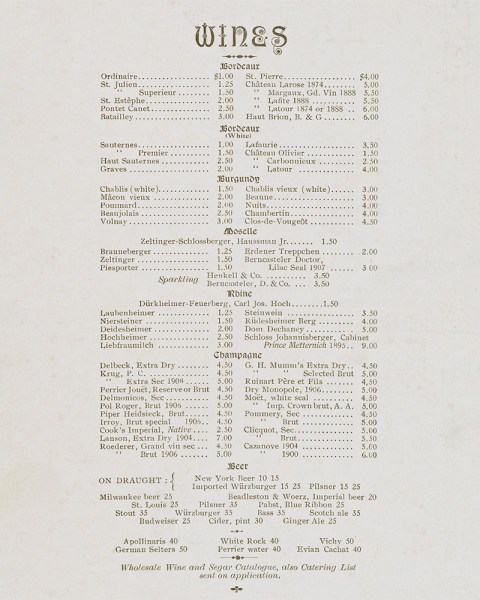
Look through the list. How is it organized? By wine type, or by country, or some other manner? Find a wine, or region, that you are familiar with and then look for one you have enjoyed before or at least heard of. Picking wines is kind of like voting when you don’t know any of the candidates. (you wouldn’t do that would you?) Which is why advertising is so important. Maybe you don’t know the person (or wine) but if you have at least seen the name before then you are more likely to pick that wine (or person).
The next rule is to be bold. Own the moment. Hopefully you have a server that asks you if you have any questions. Say that you do. You would like some help picking the wine. He or she might instantly have a few favorites. Feel free to pick one of their suggestions, or tell the server a few wines you have had before. Ask if the restaurant has anything similar to those. At this point you will learn if the server really knows anything about wine. If you get the stone-cold face that conveys they are stumped then you may be out of luck. At this point revert to the by the glass offerings. At least you won’t be on the hook for a lot of money. If you like the glass then great. If not, then move on to something else.
Don’t be unreasonable. Don’t tell your server you recently had Opus One at a friend’s house and you want something like it for under $30. Those wines don’t exist. Don’t ask for them. You are telling your server you like big, bold, flashy things but don’t want to pay for them They will not like you and you may not get the best service the rest of the night because they will be afraid you are a bad tipper. (Side note, ALWAYS be a good tipper, it generates good karma)
My best advice is to wait until you know what everyone at the table is going to order for their entrees. Then say this to your server, “We’d like a bottle that will go with our dinner as much as possible and be around this much” while you are pointing to a price on the wine list. This way you aren’t broadcasting to the table how much you are spending.
The goal is to order the perfect wine that pairs well with your food. You eat, drink and laugh and have an all around good evening.
The next blog will cover what to do after the server brings the bottle to the table.
Movies are a perfect way to pass the time while you’re enjoying a great bottle of wine. (Notice I said great. If it isn’t great then you shouldn’t be drinking it.)
I have this bad habit of paying attention to the wines people drink on television and in movies. Most of the time the bottle is turned around so we can’t see the label. But sometimes you can. If the label is visible then there are normally two reasons why: 1) The winery is paying to have their product advertised, or 2) Someone at the studio really, really likes the wine and wants you to know it.
My two favorite examples of these reasons are:


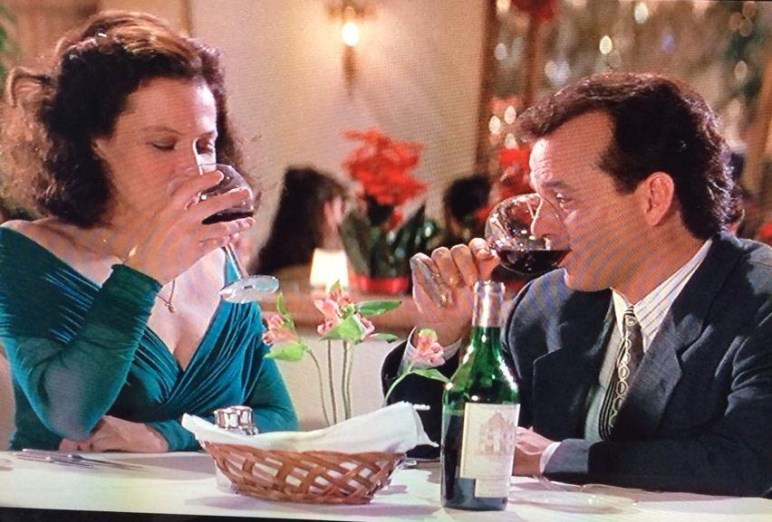
Then there are movies about wine. There aren’t a lot of them so when one comes around and it is good then you need to watch it. These are my top four wine in order you should watch them:
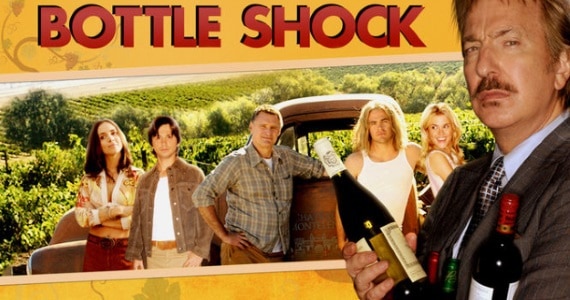


Final note, when you actually watch these I would not recommend having your kids in the room for the Judd Apatow movies or Sideways.
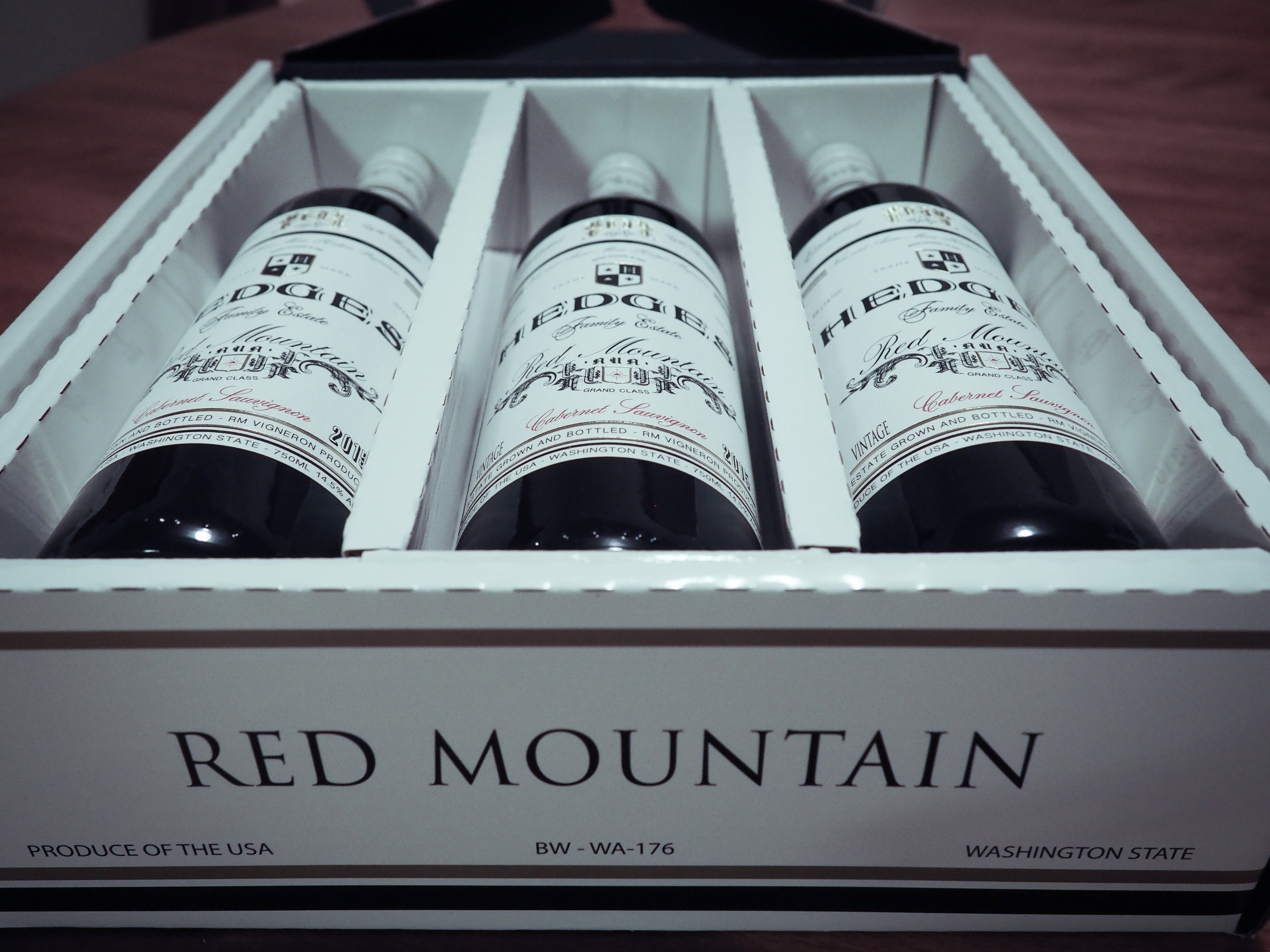
This is not a wine review. That’s not what I’m doing here. This is praise for great packaging. (Hedges Red Mountain Estate Cabernet Sauvignon was used in March’s wine club. )
A great deal of thought goes into the appearance of wine bottles, labels and boxes. It can also cost a LOT of money! There are graphic designers that will charge between $50,000 and $100,000 just to create a wine label. You have seen these in grocery stores before. They are the ones you notice from 30 feet away. You might even be able to scan the bottle with your phone to make a little movie appear. Yes, that’s cool, and yes, it might get new people into trying a wine. But does it make the product better or tell people what they are about to drink?
Occasionally a winery nails it with a perfect, classic look. Check out the wine at the top of this post. It is a lay-down three pack. They designed this box specifically so you could buy 3 or 6 bottles and put them in your cellar. Smart! 12-pack cases are hard to store unless you have a huge cellar. And since the bottles are laying down they will age better. Even smarter!


Now check out the label. This is as close to perfect as I’ve seen on a domestic wine. It gives me the clue words to tell me everything I could want to know up front: estate grown, Red Mountain, Washington, Cabernet. I know what I am getting myself into here. This too would attract my attention on a retailer’s shelf. Plus it would look awesome sitting on my table at a fancy restaurant. (or in my house…)

The back label is equally impressive. It details technical wine-making information. Maybe we don’t know what it means if the grapes were picked on a certain day. Or how the wine changes if the TA goes up or down a tenth of a percent. But what is nice is they paid attention to those details. They want you to know a lot of work went into making this wine. There are a lot of wines in grocery these days that go out of their way to hide what is in the bottles. Not here!
I want my wine to have the complete package: it tastes good, the winery is real, it has a solid story (not made up), it looks good, and I want to feel like I paid an appropriate amount for the bottle. Too often the wines we buy are missing one or more of the traits above so it is refreshing when they all come together. Those are the ones we want to buy more of and to tell our friends about.
Happy drinking.

I want to travel to Napa/Sonoma. What should I do?
I’m so glad you asked me this question. Too many people try to go it alone, or follow the suggestions of the wrong people. Bad visits will get you stuck in traffic, in bad wineries, and drunk when you don’t want to be. The main thing to remember is quality over quantity. You can always make another trip. You can’t go back in time and remove a bad experience though.
My recommendation is to see no more than two wineries per day. And cap you trip to three days. Less than that and it will go by too fast. More than that and the trip will start to wear on you. Three days. Not over the weekend. Rookies go on the weekend. After reading this you are a PRO! Say it out loud. “I’m a PRO!” Believe it! Fly out Tuesday morning and back home Friday. Three nights, enough time for you to feel comfortable unpacking your suitcase.
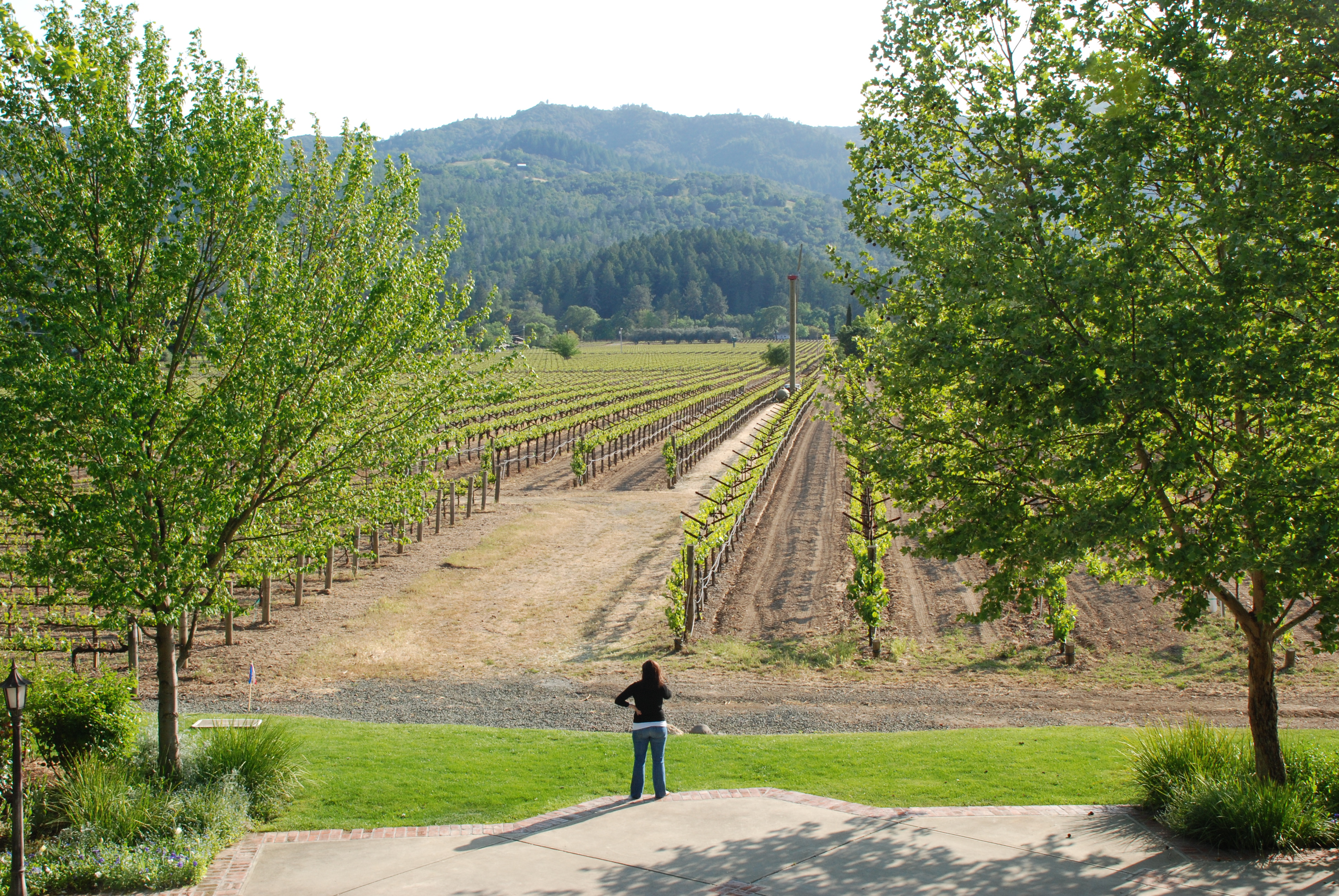
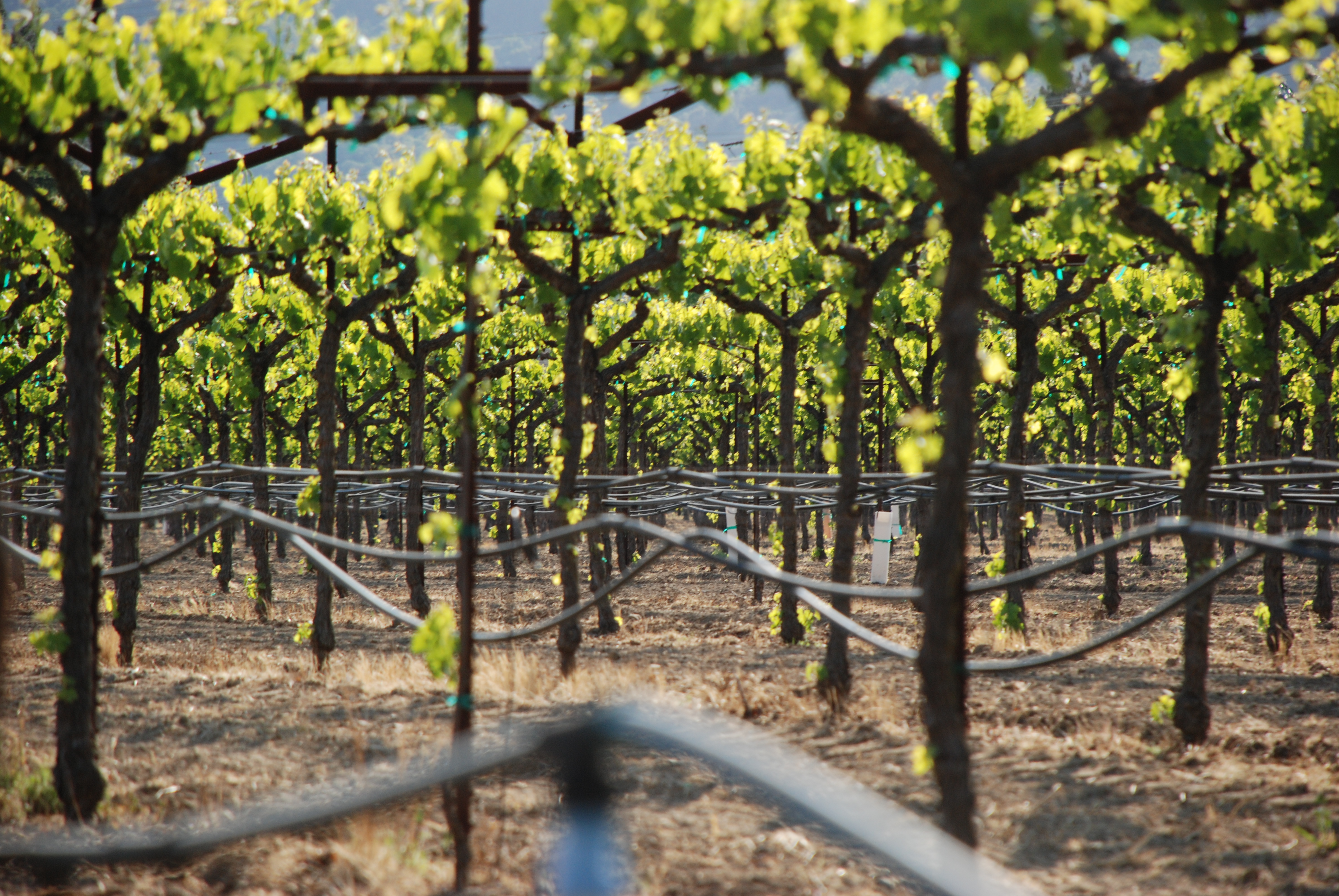
(The picture at the top is from many years ago. Pre-kids for Ashley and me. Going with friends is always more fun!)
Sample trip that will never steer you wrong:
Tuesday
Upon landing in Northern California get lunch. Do not go to the Wharf. Everyone goes to the Wharf! You are a PRO. After lunch drive to to the wine country and check into your hotel. Then hit one winery in the afternoon. Make this a longer visit than normal. Maybe somewhere with an extended tour. Back to the hotel, take a shower, put on some fresh clothes and go to dinner. The first night in California is a little tricky because of the time change. Force yourself to stay up, but not too late. (my normal bedtime is 10 because I’m old!!)
Wednesday
Breakfast somewhere. Eat some protein and carbs. This will help you later in the day. Drink a lot of water! Winery visit after breakfast. Quick, but good lunch somewhere, and then relax time. Maybe a massage at the hotel spa, or a round of golf, or a nap because your body is out of whack. You are definitely drinking some water no matter what you are doing. Then clean up, and another short winery visit and then an amazing dinner. You want to go all out on this one. Whatever over-the-top means for your finances, do it on Wednesday night. (you have planned for this dinner and made reservations several months ago. Remember, you a PRO!)
Thursday
Breakfast in the room. Protein is your friend. Winery visit. Then lunch; make it a good lunch. Another winery visit in the afternoon. This is the one you have been waiting for. Your favorite wine. Or the place all your friends have been talking about. You pay a lot for this tour and expect the royal treatment. After the tour do something non-wine related. Go shopping with your spouse, hit a museum, take a walk. Anything else other than drinking. Unless it is water of course. Water is your friend. For dinner, find the best, low-key place you can. Preferably with an outside patio. Stretch your meal to over two hours. Get to know your server. Talk to the people at the table next to you. Where have they been on their wine trip? Exchange recommendations. Pretend you are a local.
At this point in the trip you have probably accumulated a few bottles of wine. Open one of the bottles back in the hotel. Get in the hot tub. Have a glass with some dessert you brought home from the restaurant. It’s a little chilly at night. Fog lifts off from the water. You are happy. You feel like royalty. Life is awesome!

Friday
Don’t take the morning flight home. You don’t want to wake up at 5:00 AM to get to the airport for an 9:00 flight. Why are you rushing home anyways? You will hate yourself for trying to be home early. Read a book on the way home and smugly congratulate yourself for putting together a baller wine trip! Brag to your friends when you get back.
Some things to consider during the trip:
Yes, I plan on putting a wine trip together in the future. A reasonable guess is that it will happen in the summer of 2020. In the meantime we will have a few mini-trips to a winery resort outside of Tyler. More information to come later….

This is the perfect follow up to my first blog: Where is my wine from? Remember, generally the smaller the land the better the grapes and wine.
There are some words on a label that can tell you a lot about the amount of work that went into making the wine. These words usually are found on the back of the bottle. That is, unless the winery is particularly proud of itself and wants you to know it.
So, just as the label must tell you where the grapes came from, it also has to tell you who made the wine. Or rather, who didn’t make the wine.
Let’s look at some of those clues:
Bottled

Bottled means the winery/brand purchases wine from someone else, transports it somewhere else, puts it in a bottle and labels it. There are more concocted brands at grocery stores than there are true wineries. The brand owner in these situations takes a wine made by someone else and sells it as theirs.
Cellared

Cellared by is usually used in conjunction with bottled by. This is the winery trying to trick you into thinking they have a magnificent cellar where they store the wine until it is perfect to drink. It literally means nothing at all though. Do not be fooled. They did no work.
Vinted and Bottled

More word trickery. A ‘winemaker’ may have walked into the same room as the wine and suddenly he/she can say they had a part in making it. Then it is transported, bottled, and labeled. In this particular label the wine is coming from America but being bottled in California. Think of all the oil tankers filled with bulk wine juice travelling all over to eventually head to California to bottle this stuff.
Produced
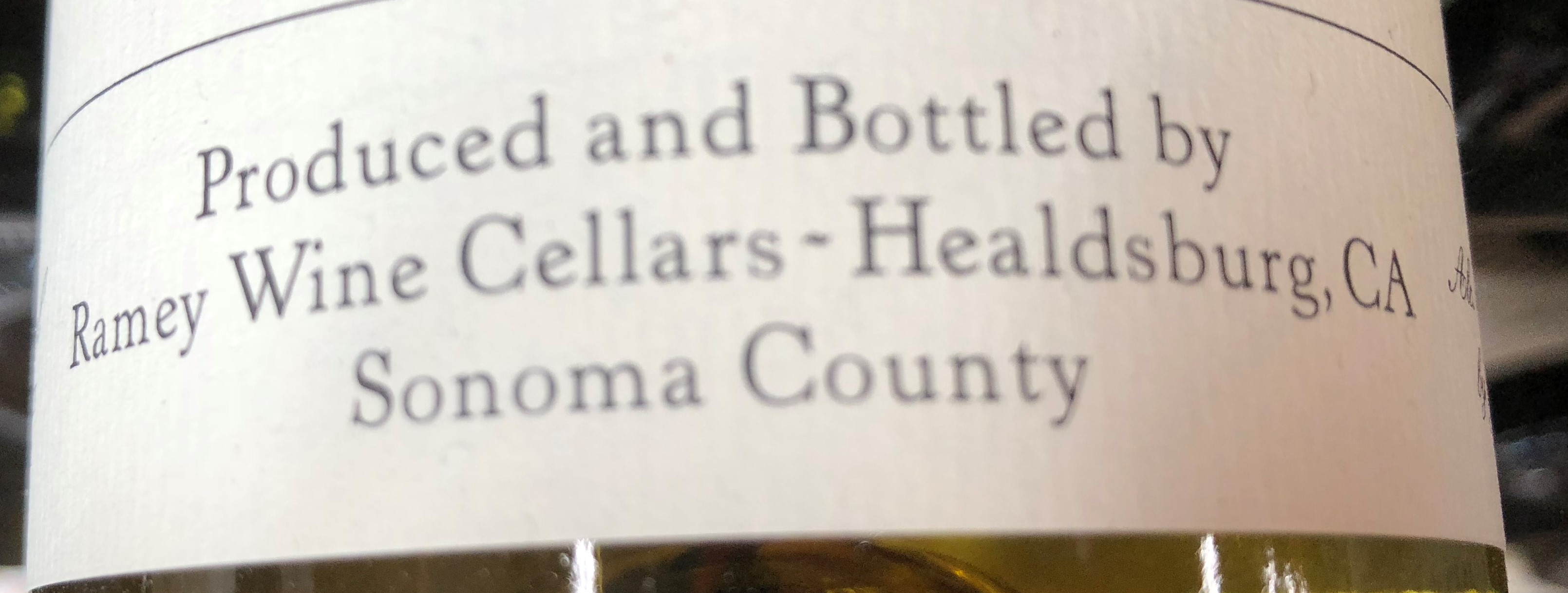
Produced means that the winery actually started with grapes instead of purchased pre-finished wine. They only have to legally start with 75% of the grapes that make up the wine, but it least it’s something. Even though this sounds extremely basic, the word ‘produced’ is missing from most wine labels. You will start to see it more as the wines get better and more expensive.
Estate
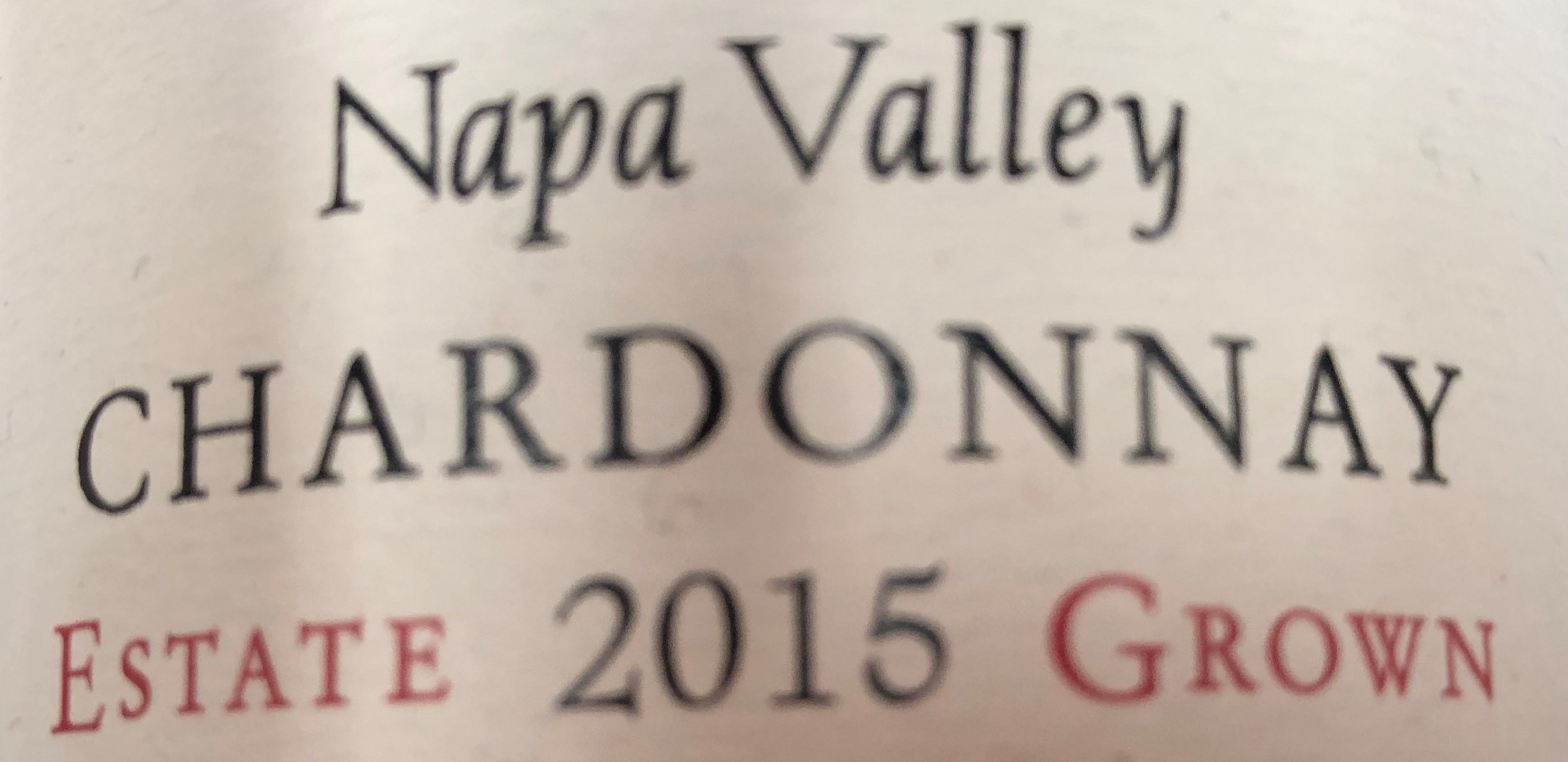
This is the best you can get when it comes to wine. Estate means the winery owns the land the grapes where grown on. Also, the winery sits on that same land. This prevents excessive transportation. The less work (think machinery and moving around) you have to do to a wine, the better. Think about a harvest: the workers pick the grapes from the vines and have to take them to the winery. If the winery is on site the grapes can be there in a few minutes. If the winery is 30 miles away, or worse, then that’s time the grapes deteriorate before they can be processed.
As with most all other rules we live by, there are exceptions to these also. But, they are the exception and you can generally rely on the clues above.
I want my wine to be real. There is a person in a vineyard, who takes the grapes to a winery to pick out the bad berries, then they are minimally processed and converted into wine. Real people, real places, real good wine. I don’t want a billion dollar company buying leftover wine from multiple places, adding sugar and coloring agents to it, spending a lot of money on a catchy label and marketing and then shoving it down the retailers’ throats. (this happens way more often than you think!) If only there was a local wine club that would pick out quality wines for you and then deliver them. Business idea!

It’s January 1st. How do you feel?
If you find yourself not feeling your best it could be because of a few different reasons.
The main cause of hangovers is dehydration. It is important to drink water before, and while, you are drinking alcohol. Yes, you will go to the restroom a lot, but this is a small price to pay to not suffer a throbbing headache in the morning. (or have the dreaded spinning bed!)
You also maybe had too many drinks. Your body can only process a certain amount of alcohol per hour. That amount changes depending on your age, gender, body type, tolerance and a handful of other factors. But not matter what, if you drink too much then you are guaranteed to feel like junk the next day. It’s pretty simple. Anytime you are drinking you need to be in control of what you are drinking and how much. Do not let other people continuously refill your cup or glass.

Another culprit we tend to overlook is sugar. Your body digests sugar in a similar manner it does alcohol. The more sweets you have in your system will cause a delay in processing the alcohol, which makes you feel worse and causes more dehydration. Try to avoid sweets when drinking.
A major problem with sweets is that more and more drinks have high sugar contents. Cheap tequila, fruity mixed drinks, low end sparkling wines and a lot of red wine blends have high levels of sugar in them. I have heard from a lot of people that sparkling wines give them headaches and hangovers. I ask when that happens the most and the normal answer is weddings and New Years Eve.


Consider this: you are at a party/wedding, have been drinking for a few hours, and then at the end of the evening you are given a glass of not-the-best-champagne and possibly some cake. This is the last thing you are putting in your body before you go to sleep. Of course you are going to feel bad. At a wedding the bride and groom bought a special bottle just for themselves. The party hosts have a great bottle hidden in the kitchen for them. Everyone else gets cheap plonk. I’ve been to a lot of weddings and NYE parties and I pay attention to what is being served. It usually isn’t the best. That is unless you were at my wedding, or the parties I throw. Then you are in the clear.
If you find yourself not feeling well, there is not a magical cure. No pills, no charcoal tablets, etc… Drink some water and take a few ibuprofen, but then again, the hair-of-the-dog never hurt either!
You can learn a lot about a wine just from what’s on the label. And no, I’m not talking about the flowery language on the back. There are code words that can give you an idea if it is a quality product or not. Legally there is information that HAS to be on a label. To make things easy, we will stick with American wines. European wineries are held to much stricter standards and their labels are harder to interpret. (we will go over them in the future!).
Were did my wine come from?
All domestic wines HAVE to tell you where the grapes came from. The quality wines will make it easy for you to figure this out. Lesser wines will try to deceive you or hide their origin. (there is a very popular winemaker who is being sued because he has intentionally lied on his wine labels)
The general rule for wine is the smaller the land the grapes come from the better the final wine should be. Hence, grapes from the whole country would result in a lower quality wine and cost less.
A sense of place
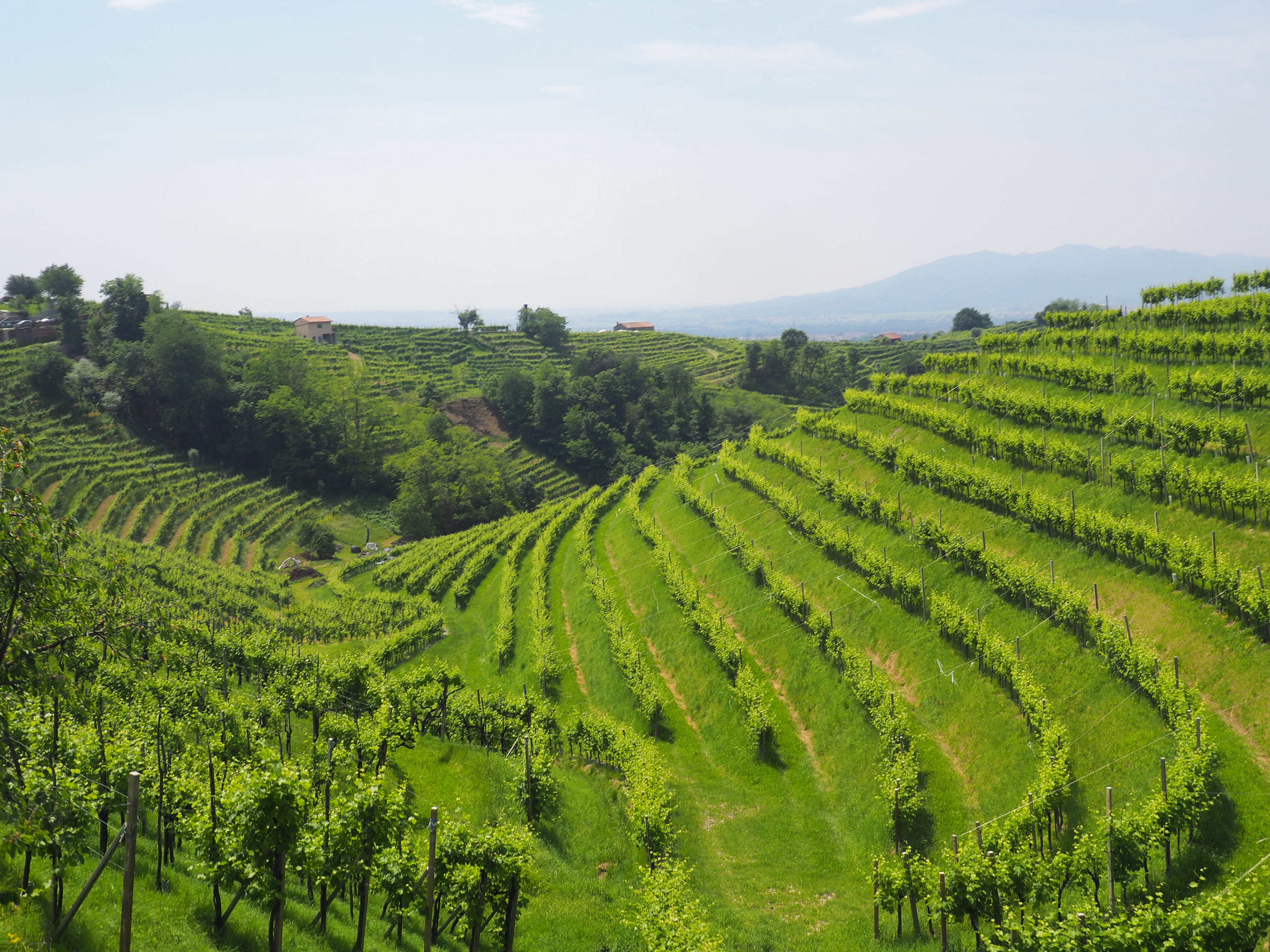
When I drink a wine I want to picture the land the grapes are grown on. I want to imagine a farmer walking up and down the rows every day to inspect the individual vines. Are the grapes healthy? How are the leaves doing? The picture at the top of the page is from one of my trips to a vineyard. It took my breath away!
The first label below is from a very popular wine sold in a lot of grocery stores. Notice it says ‘American’ on it. (on the back, in little letters) Typically I like to buy American, but not when it comes to my wine. Being from America means the grapes came from anywhere in the country. Anywhere!
The hierarchy goes a little like this, starting from the largest:
County – America
It doesn’t get much bigger than the entire county.

State – California
States vary in size. You can find some good value, easy-drinking, wines from California. You shouldn’t have to pay a lot for them.

Sub-region – Central Coast or the North Coast.
North Coast means anything north of San Francisco. That’s still a lot of land! You will start to see some quality wine from these regions. Still relatively inexpensive though.
Sub-Sub-region – Napa County
Napa County is basically a region for winemakers priced out of Napa Valley. They want a good product at a consistent price. As the cost of grapes increase it is hard to do that.

Even smaller – Napa Valley.
You know this one and we are getting into the finer wines. Napa Valley typically only produces about 5% of the wine coming out of California. 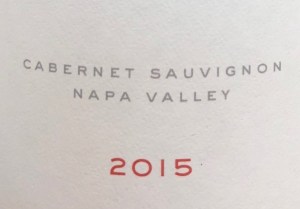
Smaller still – Districts
Rutherford, Oakville, Stags Leap, Howell Mountain, etc… Each of these districts will have different flavor characteristics. Buy a good bottle from each one and see how they are similar but different. 
And the smallest – single vineyards.
This is where wine get real interesting. Typically individual vineyards are owned by one person (or winery or company) so there is a high level of consistency in the grapes’ quality year over year. The land is smaller and gets more personalized care. This all means wines will be higher quality and somewhat consistent as well.

There will always be exceptions, but under most circumstances you won’t go wrong by looking at the grape origin.
So the next time you are at wine shoppe and casually scanning the bottles pay attention to region on the label. If you have narrowed it down to two bottles both similar in price, buy one that comes from a smaller area, the odds are it will be better.
Enjoy!
My wife first uttered these words at a dinner several years ago, “Chris is always the wine guy.” The phrase stuck in my mind and it makes so much sense now. A lot of people can leave their jobs behind, somewhat, when they go home. And maybe they aren’t peppered with questions when they are out and about. I tend to get a lot of questions about wine, and I love it!! It gives me the opportunity to connect with new people and in a way that many others don’t get to do.
There are some questions that come up often. Those, and others I can think of, will be answered here in this blog. I hope you enjoy and learn something new.
 Always the Wine Guy