
You can learn a lot about a wine just from what’s on the label. And no, I’m not talking about the flowery language on the back. There are code words that can give you an idea if it is a quality product or not. Legally there is information that HAS to be on a label. To make things easy, we will stick with American wines. European wineries are held to much stricter standards and their labels are harder to interpret. (we will go over them in the future!).
Were did my wine come from?
All domestic wines HAVE to tell you where the grapes came from. The quality wines will make it easy for you to figure this out. Lesser wines will try to deceive you or hide their origin. (there is a very popular winemaker who is being sued because he has intentionally lied on his wine labels)
The general rule for wine is the smaller the land the grapes come from the better the final wine should be. Hence, grapes from the whole country would result in a lower quality wine and cost less.
A sense of place
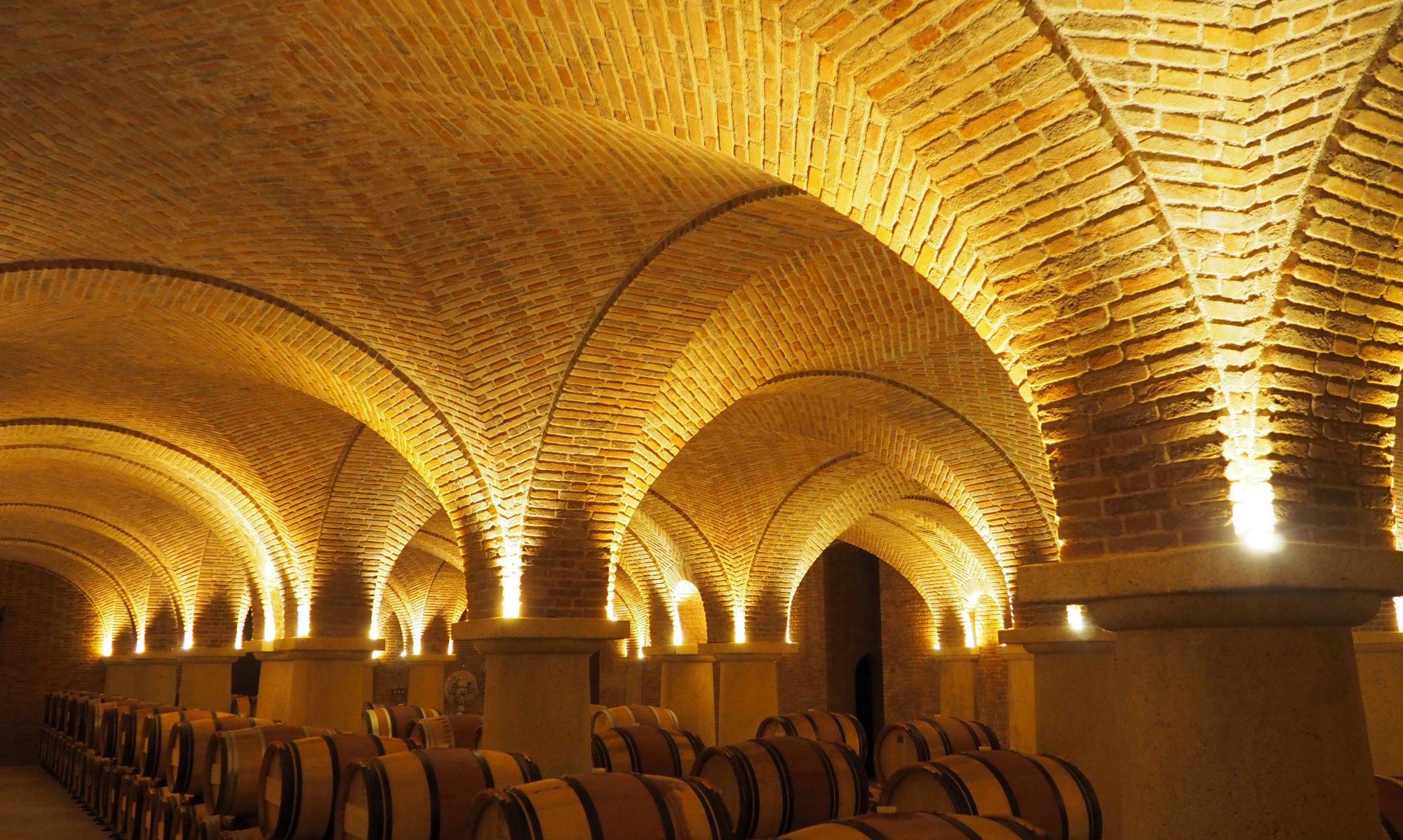
When I drink a wine I want to picture the land the grapes are grown on. I want to imagine a farmer walking up and down the rows every day to inspect the individual vines. Are the grapes healthy? How are the leaves doing? The picture at the top of the page is from one of my trips to a vineyard. It took my breath away!
The first label below is from a very popular wine sold in a lot of grocery stores. Notice it says ‘American’ on it. (on the back, in little letters) Typically I like to buy American, but not when it comes to my wine. Being from America means the grapes came from anywhere in the country. Anywhere!
The hierarchy goes a little like this, starting from the largest:
County – America
It doesn’t get much bigger than the entire county.

State – California
States vary in size. You can find some good value, easy-drinking, wines from California. You shouldn’t have to pay a lot for them.

Sub-region – Central Coast or the North Coast.
North Coast means anything north of San Francisco. That’s still a lot of land! You will start to see some quality wine from these regions. Still relatively inexpensive though.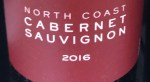
Sub-Sub-region – Napa County
Napa County is basically a region for winemakers priced out of Napa Valley. They want a good product at a consistent price. As the cost of grapes increase it is hard to do that.

Even smaller – Napa Valley.
You know this one and we are getting into the finer wines. Napa Valley typically only produces about 5% of the wine coming out of California. 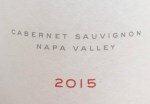
Smaller still – Districts
Rutherford, Oakville, Stags Leap, Howell Mountain, etc… Each of these districts will have different flavor characteristics. Buy a good bottle from each one and see how they are similar but different. 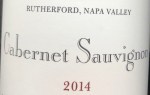
And the smallest – single vineyards.
This is where wine get real interesting. Typically individual vineyards are owned by one person (or winery or company) so there is a high level of consistency in the grapes’ quality year over year. The land is smaller and gets more personalized care. This all means wines will be higher quality and somewhat consistent as well.
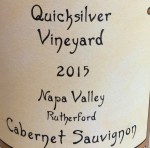
There will always be exceptions, but under most circumstances you won’t go wrong by looking at the grape origin.
So the next time you are at wine shoppe and casually scanning the bottles pay attention to region on the label. If you have narrowed it down to two bottles both similar in price, buy one that comes from a smaller area, the odds are it will be better.
Enjoy!
 Always the Wine Guy