
This is the perfect follow up to my first blog: Where is my wine from? Remember, generally the smaller the land the better the grapes and wine.
There are some words on a label that can tell you a lot about the amount of work that went into making the wine. These words usually are found on the back of the bottle. That is, unless the winery is particularly proud of itself and wants you to know it.
So, just as the label must tell you where the grapes came from, it also has to tell you who made the wine. Or rather, who didn’t make the wine.
Let’s look at some of those clues:
Bottled
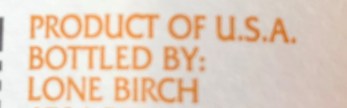
Bottled means the winery/brand purchases wine from someone else, transports it somewhere else, puts it in a bottle and labels it. There are more concocted brands at grocery stores than there are true wineries. The brand owner in these situations takes a wine made by someone else and sells it as theirs.
Cellared

Cellared by is usually used in conjunction with bottled by. This is the winery trying to trick you into thinking they have a magnificent cellar where they store the wine until it is perfect to drink. It literally means nothing at all though. Do not be fooled. They did no work.
Vinted and Bottled
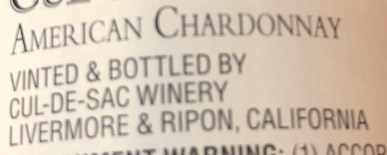
More word trickery. A ‘winemaker’ may have walked into the same room as the wine and suddenly he/she can say they had a part in making it. Then it is transported, bottled, and labeled. In this particular label the wine is coming from America but being bottled in California. Think of all the oil tankers filled with bulk wine juice travelling all over to eventually head to California to bottle this stuff.
Produced
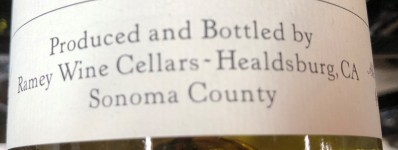
Produced means that the winery actually started with grapes instead of purchased pre-finished wine. They only have to legally start with 75% of the grapes that make up the wine, but it least it’s something. Even though this sounds extremely basic, the word ‘produced’ is missing from most wine labels. You will start to see it more as the wines get better and more expensive.
Estate

This is the best you can get when it comes to wine. Estate means the winery owns the land the grapes where grown on. Also, the winery sits on that same land. This prevents excessive transportation. The less work (think machinery and moving around) you have to do to a wine, the better. Think about a harvest: the workers pick the grapes from the vines and have to take them to the winery. If the winery is on site the grapes can be there in a few minutes. If the winery is 30 miles away, or worse, then that’s time the grapes deteriorate before they can be processed.
As with most all other rules we live by, there are exceptions to these also. But, they are the exception and you can generally rely on the clues above.
I want my wine to be real. There is a person in a vineyard, who takes the grapes to a winery to pick out the bad berries, then they are minimally processed and converted into wine. Real people, real places, real good wine. I don’t want a billion dollar company buying leftover wine from multiple places, adding sugar and coloring agents to it, spending a lot of money on a catchy label and marketing and then shoving it down the retailers’ throats. (this happens way more often than you think!) If only there was a local wine club that would pick out quality wines for you and then deliver them. Business idea!
 Always the Wine Guy